Home / Journal / The Dark Origins of Little Red Riding Hood
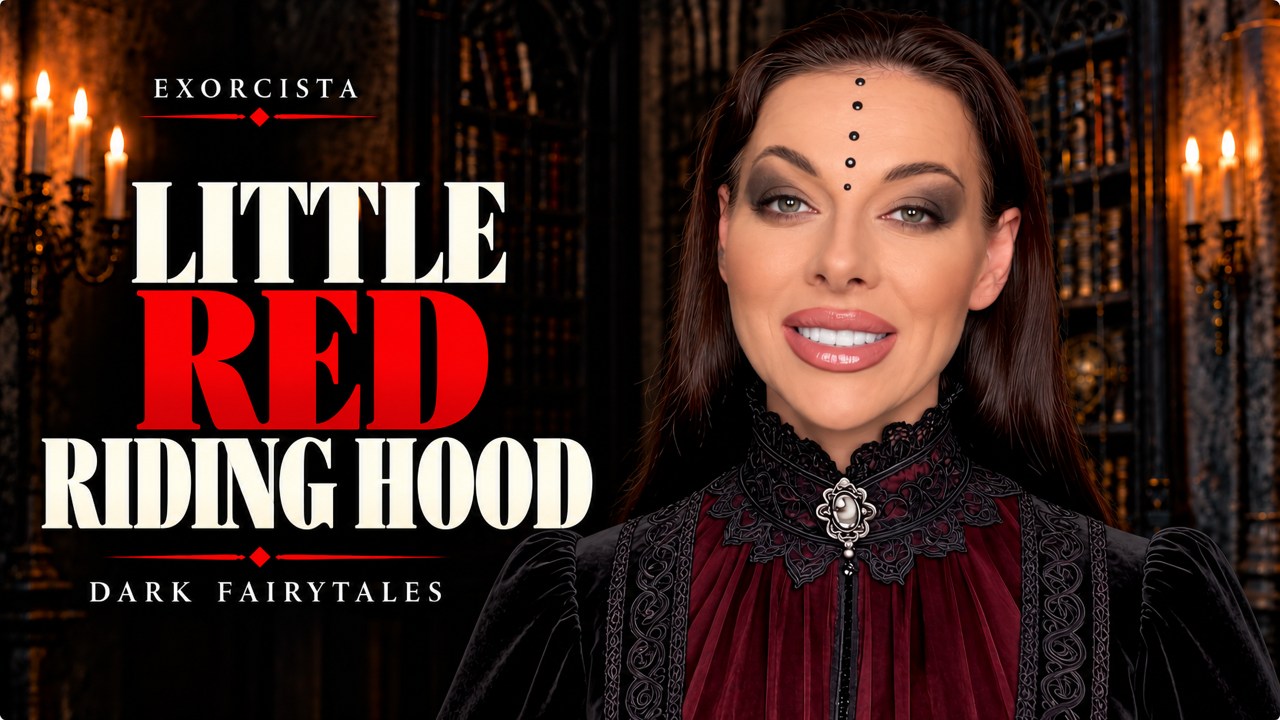
Which ending do you remember?
Little Red Riding Hood is often remembered as a story in which a hunter rescues the girl and her grandmother. Charles Perrault’s telling gives them no such rescue. The wolf reaches the grandmother’s house first, eats her and waits in her bed. The girl follows the route she has already described to him.
The familiar conversation
The questions about the grandmother’s arms, ears, eyes and teeth delay recognition. The disguise works because the girl enters a familiar house expecting a familiar person. In Perrault’s version, the conversation ends when the wolf eats her. There is no later arrival to reverse what happened.
The moral names a different kind of wolf
Perrault’s moral turns from the animal in the bed to human predators. It warns about wolves who appear gentle and follow young women into their homes. The social warning is part of the published tale. Treating it only as advice about wandering away from a path misses what Perrault explicitly adds at the end.
Perrault and Grimm are different tellings
The Grimms’ Little Red-Cap includes the familiar rescue. These stories share figures and events, but their endings should not be blended into one supposedly definitive original. Dark Fairytales identifies the author and source edition so listeners know which story they are hearing.
The Dark Fairytales reading
E07 follows Perrault, using Old-Time Stories (1921), translated by Alfred Edwin Johnson. The moral is based on the 1922 collection The Fairy Tales of Charles Perrault. Light language edits preserve the events and the warning. The episode is scheduled for December 11, 2026.
Source edition: Read the tale ↗. Episode credits identify the English version used in the reading.
The Dark Fairytales episode
Little Red Riding Hood — episode page ↗
Scheduled for Dec 11, 2026. New tales every Friday: video at 4:00 PM ET, podcast at 9:00 PM ET.
The recording will appear here when it is publicly available.